CPAP and BPAP therapy
How CPAP works
In obstructive sleep apnea, the muscles and soft tissue at the back of the throat relax during sleep and partially or fully block the airway. When this happens, breathing stops until the brain senses the drop in oxygen and wakes the body enough to resume breathing. This cycle can repeat dozens or even hundreds of times per night, interrupting sleep without you being fully aware of it.
CPAP, which stands for continuous positive airway pressure, addresses this by delivering a steady, pressurized stream of air through a mask worn over the nose or mouth. That air pressure keeps the airway open so it can’t be blocked. The machine does not breathe for you. It simply maintains enough pressure in the airway that the tissue cannot collapse.
The pressure level is set based on your sleep study results and can be adjusted by your care team as needed. Most modern CPAP machines are quiet, compact, and come with a humidifier to reduce dryness.
CPAP vs. BPAP: what is the difference?
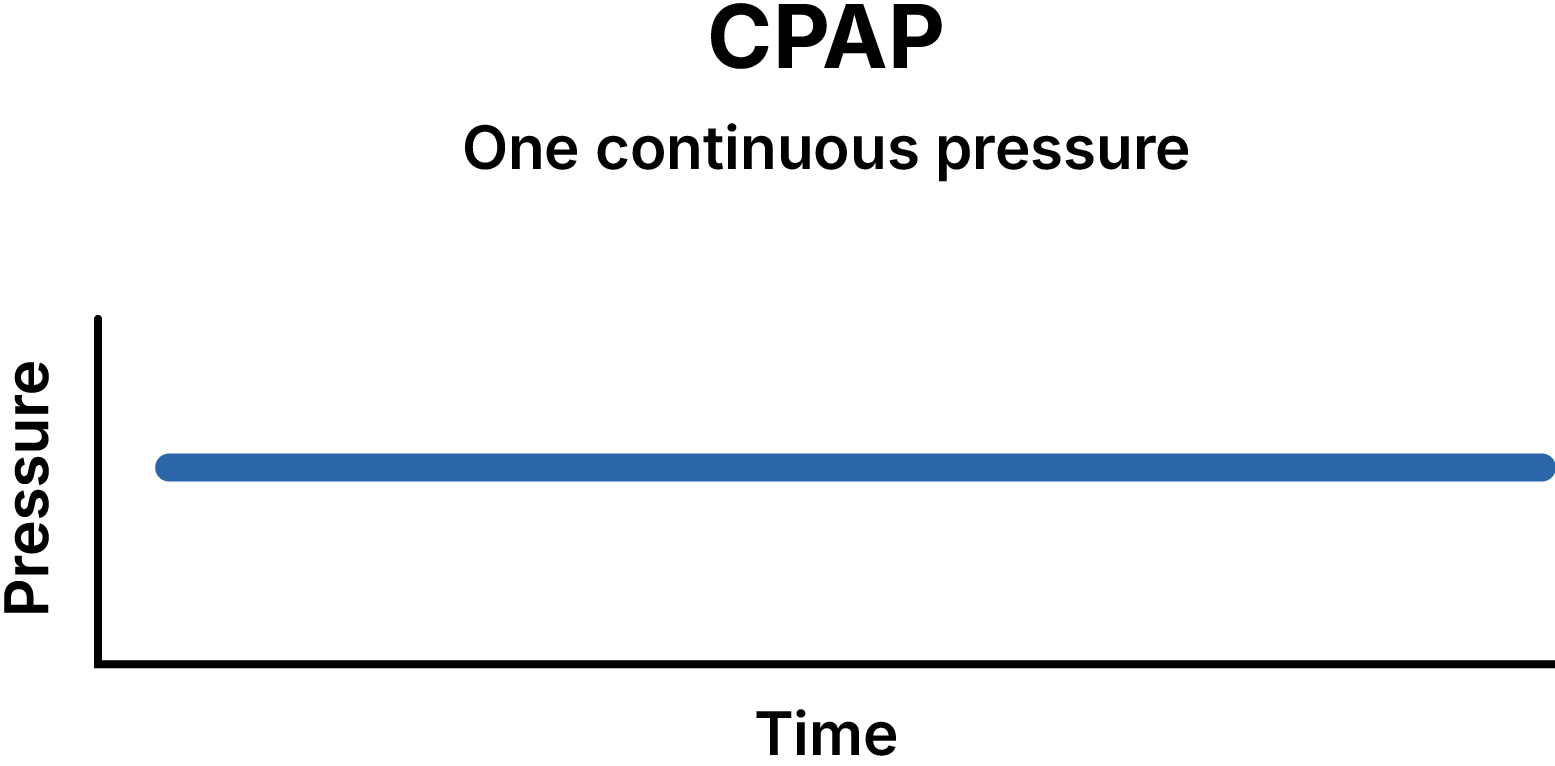
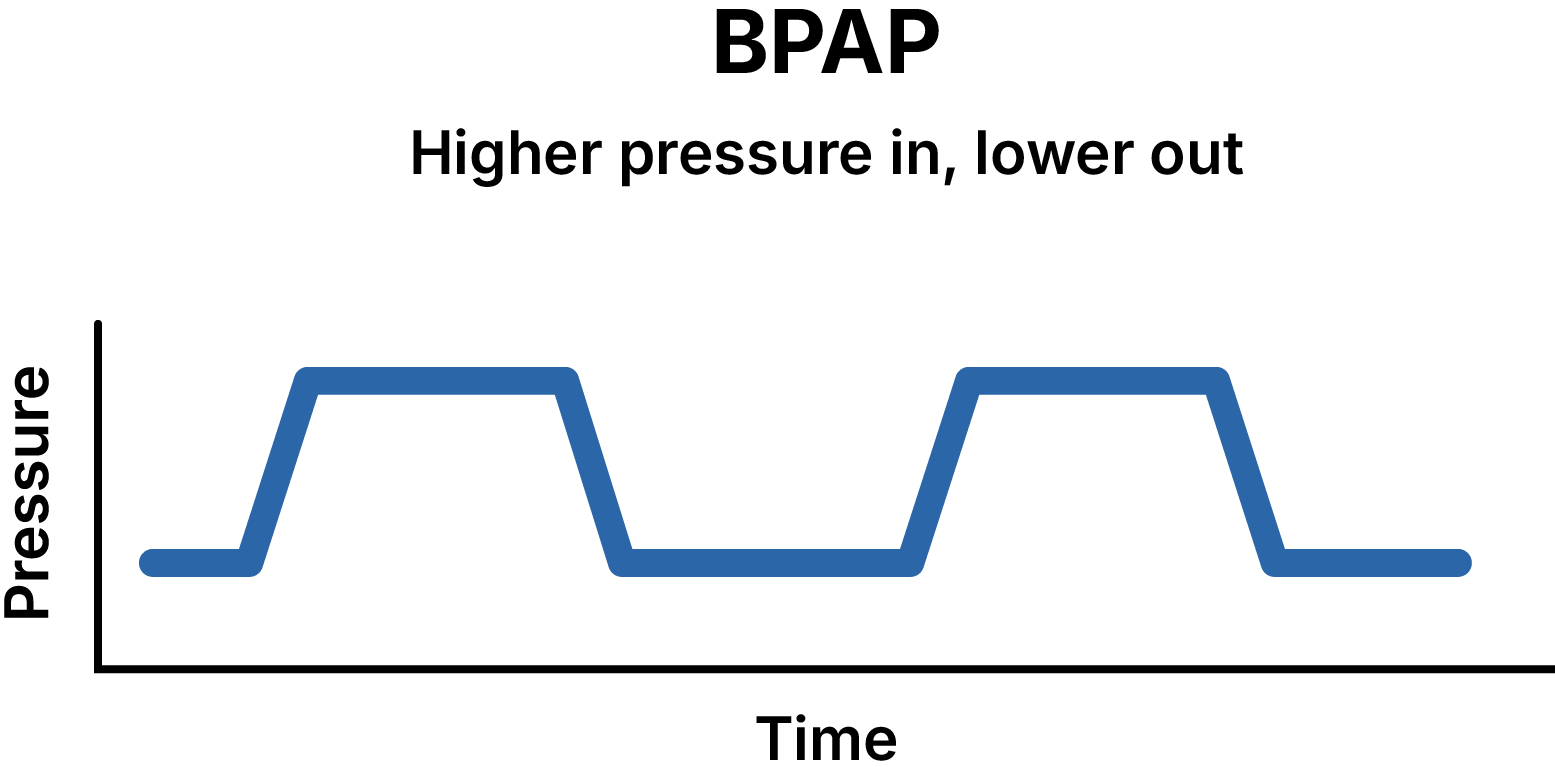
CPAP delivers one continuous pressure level throughout the night. BPAP, or bilevel positive airway pressure, delivers two different pressure levels: a higher pressure when you inhale and a lower pressure when you exhale. BPAP is typically prescribed for patients who find exhaling against the constant pressure of a CPAP uncomfortable or for those with more complex breathing conditions. Your doctor will determine which is best for you based on your sleep study and health history.
Equipment overview
CPAP equipment has improved significantly over the years. Here is a basic overview of what the setup involves.
Tips for CPAP tolerance
CPAP is effective when it is used consistently but getting comfortable with it is an adjustment for many patients. These are some of the most common challenges and practical ways to address them.
When to consider alternatives
CPAP works well for many patients, but it is not the right fit for everyone. If you have used CPAP consistently for several weeks and are still not tolerating it, or if it is not controlling your sleep apnea effectively, you can discuss other options with your doctor.
HGNA therapy is an FDA-approved implant that treats obstructive sleep apnea from inside the body. A small device placed near the collarbone senses breathing and delivers gentle pulses to keep the airway open during sleep — no mask required. This option is designed for patients with moderate to severe obstructive sleep apnea who have not had success with CPAP.
BHGNS therapy is a battery-free implant that stimulates both branches of the tongue nerve to keep the airway open. One of the newest FDA-approved treatments for obstructive sleep apnea, we are among the first in the region to offer this option. This is best for patients who do not qualify for or prefer an alternative to HGNS.
Dental appliances are custom-fitted oral devices worn during sleep that repositions the jaw and tongue to keep the airway open. This is a less invasive alternative for patients with mild to moderate obstructive sleep apnea or those who cannot tolerate CPAP and are not candidates for an implant.
If your sleep study shows central sleep apnea rather than obstructive sleep apnea, CPAP may not fully address your problem. The TPNS system is the only FDA-approved implant designed specifically for central sleep apnea, treating the neurological cause rather than the physical airway.
Frequently asked questions
Questions about your CPAP therapy?
Whether you are just getting started with CPAP or have been using it for years and have concerns, our sleep medicine team is here to help. Call us to schedule an appointment.
Call Adena Sleep Medicine: 740-779-8700