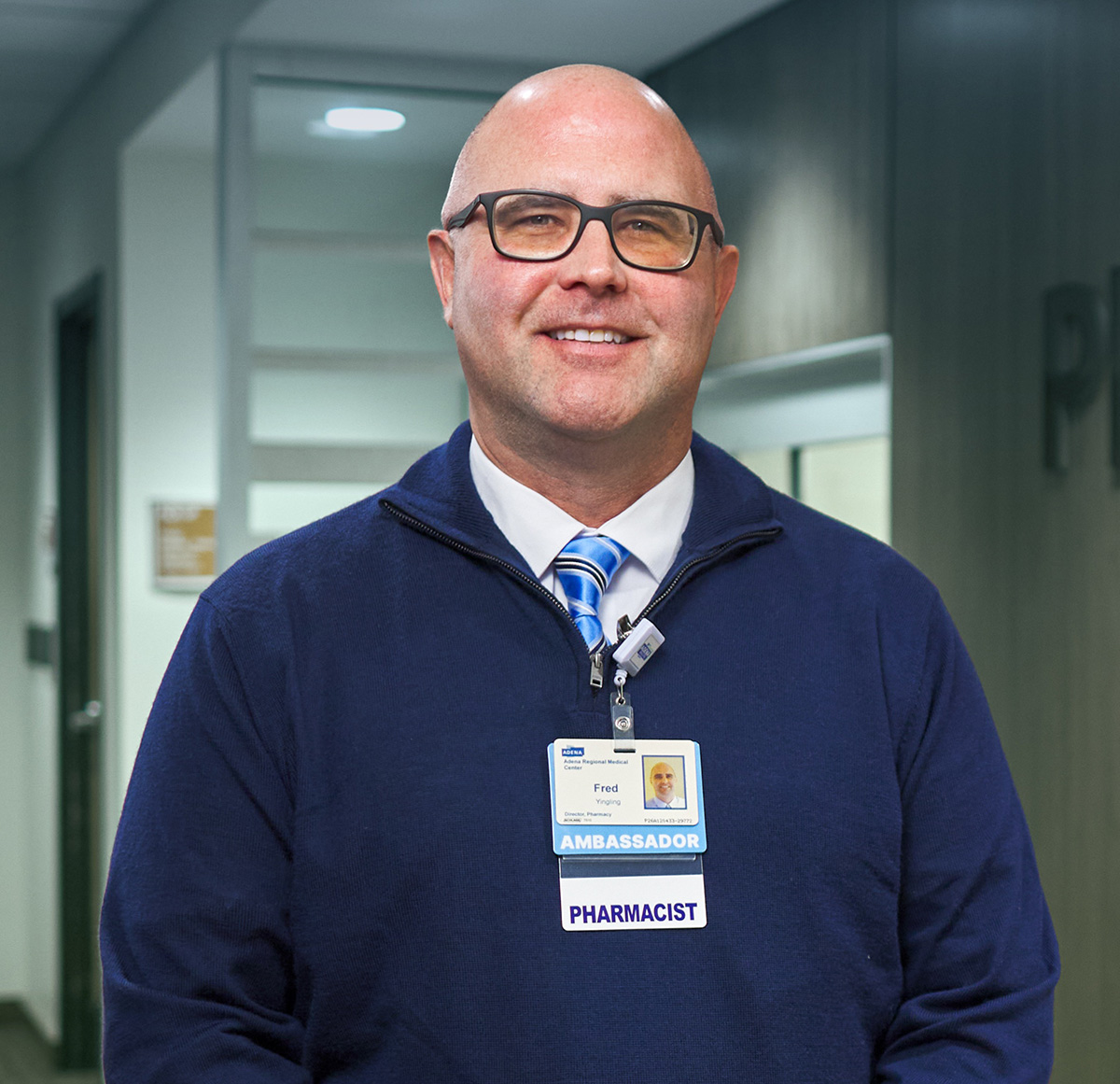
Thought leadership piece authored by Fred Yingling, VP System Pharmacy Services, Chief Pharmacy Officer
For many people, picking up a prescription is a routine part of life. However, for a growing number of Ohioans, especially those living in rural communities, accessing a pharmacy can require a lengthy drive, time away from work, or transportation they simply do not have.
This is why expanding pharmacy access must remain a priority, particularly in rural Ohio.
Access to medications is one of the most fundamental components of healthcare, yet it is becoming increasingly difficult for some communities to maintain. When patients cannot conveniently access prescriptions, vaccinations, medication counseling, and other pharmacy services, the consequences can be serious. Delayed prescriptions and interrupted treatment can worsen chronic conditions, potentially leading to more emergency department visits, hospitalizations, and higher healthcare costs.
This challenge is why Adena Health opened a new pharmacy in Wellston after the community lost its only local pharmacy. As part of our Adena 2030 strategic vision, we are committed to improving access to care by meeting patients where they are and investing in services that strengthen the health of the communities we serve. Restoring local pharmacy access means residents can once again obtain medications, support, and guidance close to home without having to travel outside their community.
Making this investment possible took the support and commitment of many partners, including Gov. Mike DeWine's administration, the Ohio Department of Development, the Jackson County Commissioners, the Ohio Valley Regional Development Commission, Greater Chillicothe & Ross County Development, the Joint Economic Development Initiative of Southern Ohio, Flour-BWXT, and the Jackson County Economic Development Partnership. Their shared commitment to strengthening communities throughout Appalachian Ohio has helped make investments like this possible.
The need for solutions like these continues to grow. Across the country, pharmacy access is becoming a public health challenge. One in seven Americans, or more than 48 million people, lack convenient access to a pharmacy because visiting one requires a lengthy drive. More than half of rural counties are now considered pharmacy deserts, highlighting the disproportionate impact on rural communities.
Ohio is experiencing this challenge firsthand. The number of retail outpatient pharmacies in the state has fallen significantly over the last decade, with a 16% decrease even as Ohio's population has grown by 2.5%. Rural communities have been particularly affected by workforce shortages, financial pressures on independent pharmacies, lower reimbursement rates, and continued retail consolidation, leaving some communities without convenient access to medications.
While these trends may seem like business or policy issues, the impact is deeply personal. For older adults managing chronic conditions, parents caring for children, or patients recovering from serious illness, the loss of a local pharmacy can mean delayed prescriptions, interrupted treatment and avoidable health complications.
Pharmacies do much more than fill prescriptions. Community pharmacists are among the most accessible healthcare professionals, offering patients a convenient resource for questions about prescription and over-the-counter medications, potential side effects, and how to use medications safely. They also provide vaccinations, medication counseling, and support for managing chronic diseases, helping patients address concerns, and stay on track with treatment. When access to these services disappears, patients may face greater barriers to managing their health and staying well.
Adena Health is addressing these barriers in other communities as well. In Frankfort, a new pharmacy connected to one of Adena's school-based health clinics is helping restore local pharmacy access for a community that otherwise has no pharmacy. Together, these investments reflect the importance of developing solutions that respond to the specific needs of rural communities and make essential medications more accessible.
Adena has also introduced specialty pharmacy services in Chillicothe, allowing patients receiving complex treatments, including cancer therapies, to access medications closer to home. For many patients, that means less travel and more time focused on treatment and recovery.
These efforts reflect our broader commitment to strengthening healthcare access across central and southern Ohio. Reliable access to medications and the healthcare professionals who help ensure those treatments are safe and effective should not depend on where someone lives. By investing in local pharmacy services and working alongside partners who share this commitment, we can help reduce barriers to care, support better health outcomes, and strengthen the communities we serve.