Painful periods are often something many women feel they just have to endure. Missing work or school, planning life around cramps, or relying on pain medication month after month can start to feel routine.
But severe or ongoing pelvic pain isn’t something you should have to live with — and for some women, it may be a sign of endometriosis.
Endometriosis is a common condition that is often undiagnosed for years. Knowing the symptoms and when to seek care can help women take the first step toward relief and better quality of life.
What is endometriosis, and how does it cause pain?
Endometriosis occurs when tissue similar to the lining of the uterus grows outside the uterus, most often in the pelvic or abdominal area.
“Each month, this tissue responds to hormones like the uterine lining does,” explains Avernelle Maule, DO, OB/GYN with Adena Health. “Because it’s outside the uterus, it can cause inflammation, irritation, and painful cramping.”
Symptoms can vary widely, which is one reason endometriosis is sometimes overlooked.
Signs and symptoms of endometriosis that go beyond normal cramps
Some mild discomfort during your period can be common. Severe pain is not.
“Period cramps shouldn’t require constant pain medication or cause you to miss work or school,” says Dr. Maule.
You may want to talk with your provider if you experience:
Pelvic pain that interferes with daily activities.
Severe cramping that worsens over time.
Heavy or painful periods that disrupt your routine.
Pain during or after sex.
Pelvic pain outside of your period.
These symptoms may signal endometriosis or another condition that needs care.
How endometriosis is diagnosed
Diagnosis usually starts with a detailed discussion about symptoms and medical history. Providers often look at patterns over time and response to treatment before recommending additional testing.
“Most cases don’t require surgery to make a diagnosis,” Dr. Maule explains. “Although a surgical biopsy is considered the gold standard.”
The goal is to find answers while avoiding unnecessary procedures.
Treatment options for endometriosis
There’s no single treatment that works for everyone. Care is personalized based on symptoms, what’s been tried before, and patient goals.
Common approaches may include:
Medications to manage pain and inflammation.
Hormonal therapies to help calm endometriosis tissue and reduce painful cycles.
In some cases, minimally invasive surgery to reduce problem areas.
Supportive therapies, like pelvic floor physical therapy, to improve daily comfort and function.
“Treatment is about more than just reducing pain,” Dr. Maule says. “It’s about helping women get back to work, school, relationships, and the parts of life pain has taken away.” Working together helps ensure each care plan fits the individual.
Living with pain isn’t something you have to accept
Many women live with pelvic pain for years before getting answers — and that experience can be frustrating and discouraging.
“If you’ve been living with pain for years, it’s not just in your head,” Dr. Maule says. “What you’re feeling is real, and it’s worth exploring.”
Having a provider who listens and takes symptoms seriously can make a meaningful difference.
When to seek care
Ongoing pelvic pain, heavy periods, or severe cramps shouldn’t be ignored. Early evaluation can help identify the cause, explore treatment options, and improve quality of life.
If pain has become a regular part of your routine, schedule an appointment with Adena Gynecology to evaluate ongoing symptoms and create a personalized care plan for relief. Visit Adena.org/Women to learn more or find a location near you.
Meet our expert: Avernelle Maule, DO
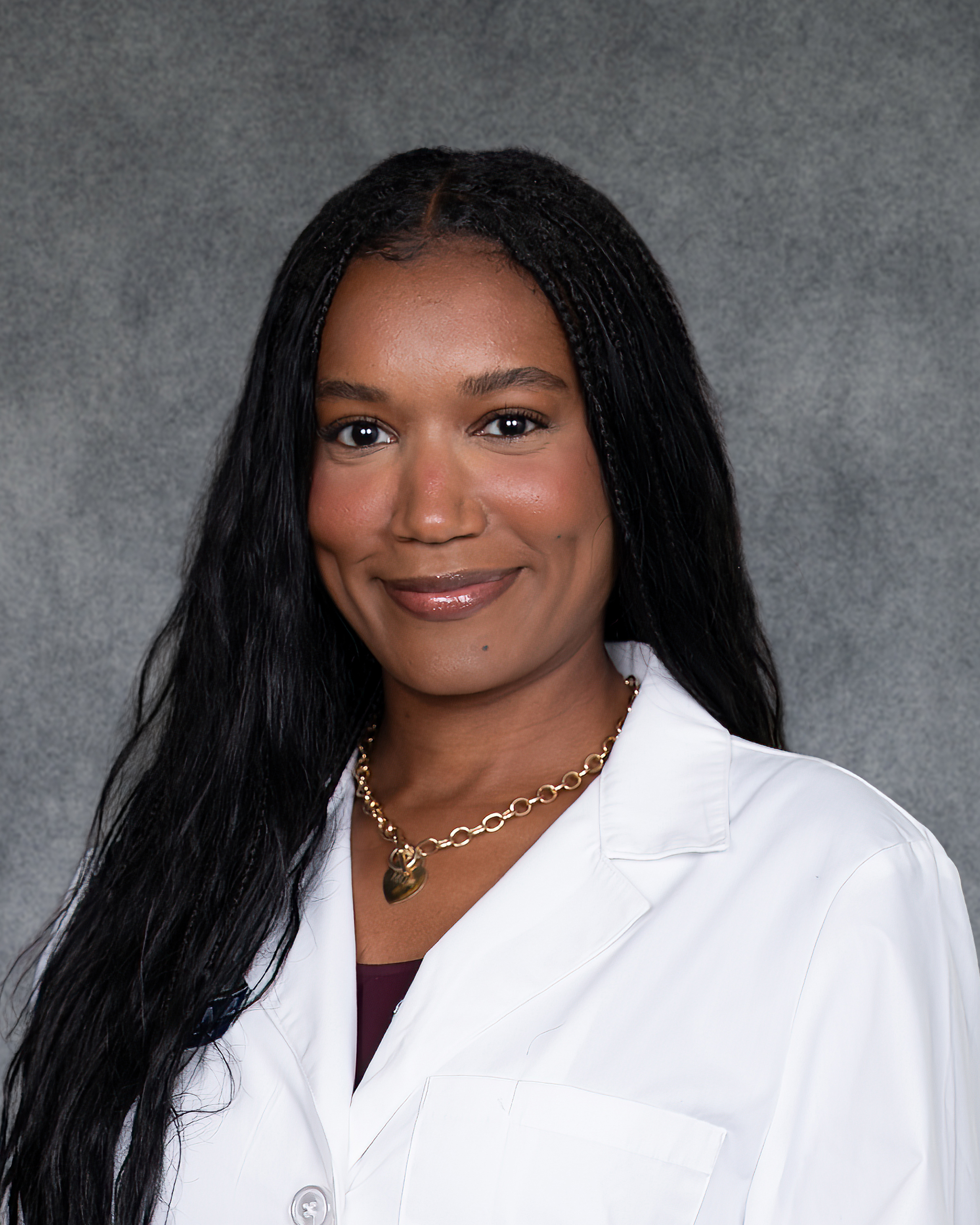
Avernelle Maule, DO, earned her Doctor of Osteopathic Medicine from Lake Erie College of Osteopathic Medicine in 2021 and completed her obstetrics and gynecology residency at St. Joseph’s Hospital in 2025.
She provides comprehensive women’s health care with Adena Health, including evaluation and treatment for pelvic pain and endometriosis.
“I encourage patients to find a provider who will listen to their story, take their concerns seriously, and help guide them through the diagnostic process,” she says.